Hair color, decoded
Copper, Auburn, and Soft Red: The Wearability Ladder
Copper is 2026's statement shade, but red is really a ladder of five commitments: strawberry blonde, soft auburn, classic copper, vivid copper, and cherry cola, each step up adding saturation, salon visits, and cost. All of them share one chemical fact: red dye formulations fade faster than any other color family, so plan on a gloss refresh every 4 to 8 weeks whichever rung you pick.
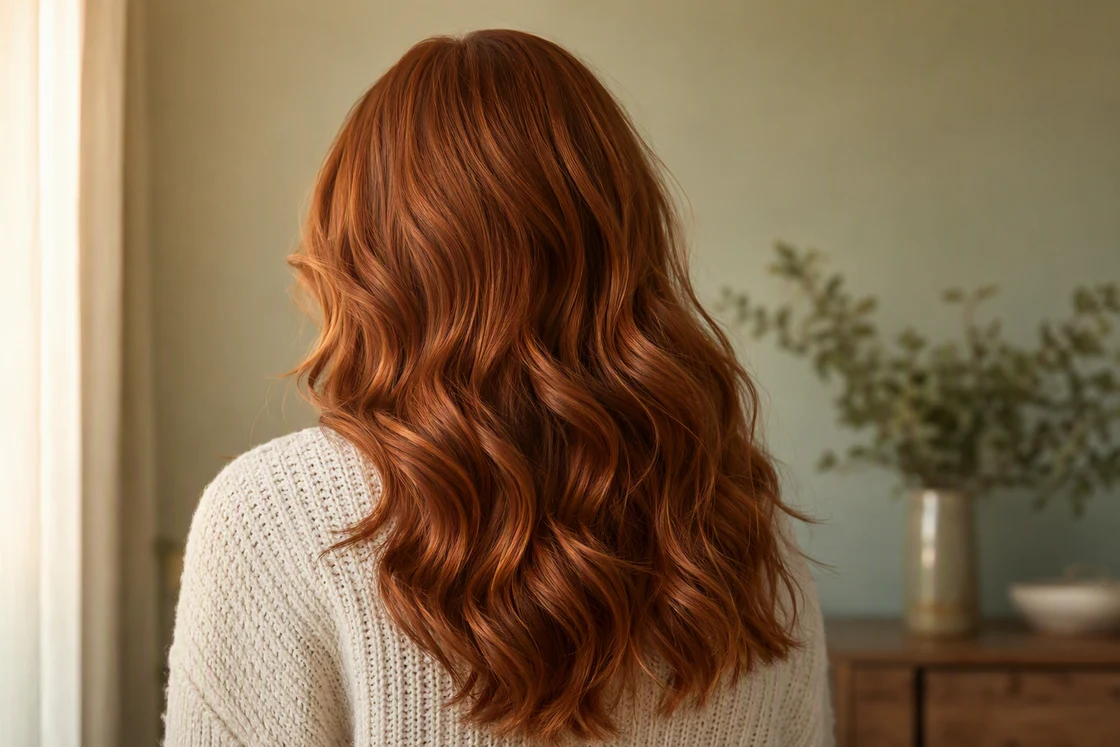
Copper is the shade the trend press keeps naming 2026’s statement color, from cowboy copper carried into its softer second act [6] to the ethereal coppers and cherry cola tones dominating summer forecasts [7]. What the trend coverage rarely says is that “going red” is not one decision. It is a ladder with five distinct rungs, from a whisper of strawberry to a saturated vivid, and each rung up costs more in salon visits, fade management, and grow-out planning. This page walks the ladder rung by rung, with the chemistry of why red fades, the honest cadence and yearly cost of each level, and a fade-fighting routine checked against the evidence instead of the marketing.
Why treat red as a ladder instead of a shade?
Because the word “copper” covers everything from a warm gloss over blonde to a traffic-stopping saturated orange, and those are completely different commitments. Two people can both “go copper” and end up with a 3-visit year and a 10-visit year.
Wearability, as this page uses the word, is a bundle of five practical questions: how far the shade sits from your natural color, how it fits your skin tone, how fast it fades and what it fades into, what a year of upkeep costs in US salon dollars, and what the exit looks like when you grow it out or move on. Rank the red family by those five questions and it sorts itself into a clean ladder: strawberry blonde, soft auburn, classic copper, vivid copper, cherry cola. The last rung is a special case: it is bolder in pigment than classic copper but often easier to live with, for reasons covered below.
The ladder framing also changes how you shop. Instead of bringing your colorist one photo and hoping, you pick a rung, which fixes the budget and the calendar, and then choose the prettiest shade that rung allows. That is the same logic that makes low-maintenance hair color rankable by weeks between visits: the interval is the product.
Why does red fade faster than any other color?
Permanent salon color works by sending small, colorless dye precursors into the hair fiber, where an oxidative reaction assembles them into larger colored molecules inside the cortex [4]. From that moment, two forces work to remove them. Water is the first: with every shampoo, some of the dye dissolves and leaches back out of the fiber, which is the primary mechanism of wash fading, and it accelerates as hair becomes more porous and damaged [1]. Light is the second: UV exposure breaks dye molecules down photochemically, and in controlled fading experiments UV accounted for as much as 63 percent of measured color loss over shorter exposure windows [2]. This is research-backed, and none of it is specific to red. What is specific to red is how badly red formulations perform under both attacks.
In the same fading study, shades built on pyrazole intermediates, the workhorse chemistry behind vivid reds and coppers, displayed the deepest fading from both shampooing and irradiation of all colors tested, and lightened or bleached hair lost color far faster than pigmented brown hair [2]. That last point matters for the ladder: the rungs that require lightening first, like strawberry blonde and vivid copper on darker bases, fade on hardware that is already leakier. Desorption studies confirm the leak is front-loaded: the largest single loss of dye occurs in the first wash after coloring, especially on chemically processed hair where dye sits more superficially [3]. This is research-backed.
Red also loses gracelessly. A cool brunette fades toward a softer brunette; a copper fades toward brass and orange, a visible hue shift rather than a gentle dimming. The popular explanation that “red molecules are bigger and sit closer to the surface” applies mainly to the direct dyes used in semi-permanent reds and pigmented conditioners, not to oxidative color, so treat it as a half-truth: mixed evidence. The practical conclusion is identical either way. Every rung of this ladder needs a fade plan, and the bolder rungs need it in writing.
What are the five rungs, from subtle to bold?
Prices are typical US salon ranges from 2026 pricing surveys: single-process color $60 to $120, partial highlights $60 to $150, standalone gloss or toner $45 to $90, color correction $300 to $800 [5]. Big-metro salons can run double. Cadences are what colorists actually see red clients sustain, a convention rather than a lab number.
| Rung | Reads as | Lightener needed? | Realistic refresh cadence | Typical cost per year | Office read | Grow-out |
|---|---|---|---|---|---|---|
| 1. Strawberry blonde | Warm blonde | Yes, unless already light | Gloss 6-8 wks, lift 2-3x/yr | $500-1,100 | Natural | Soft, highlight-style |
| 2. Soft auburn | Red-leaning brunette | Rarely | 8-10 wks | $250-700 | Natural | Nearly invisible on brown bases |
| 3. Classic copper | Deliberate red | Sometimes, on dark bases | 6-8 wks | $600-1,300 | Bold but natural-plausible | Warm line on dark bases |
| 4. Vivid copper | Statement color | Usually | 4-6 wks | $900-2,000 | Reads as fashion color | Hard line, needs a plan |
| 5. Cherry cola | Brunette indoors, red in sun | No, high-lift color | 6-8 wks | $500-1,200 | Most office-proof of the bold rungs | Soft, depth stays near natural |
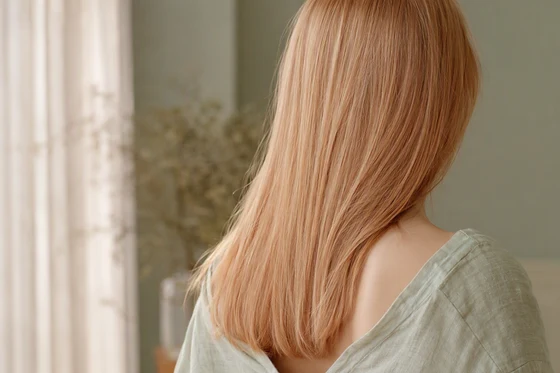
Rung 1: Strawberry blonde. A blonde first and a red second: gold with a pink-copper cast over it. On naturally blonde or light brown hair it is a gloss away, cheap and low-drama. On anything darker it requires real lightening before the strawberry tone goes on, which moves it onto bleached-hair hardware that both damages the fiber and, per the fading data, holds color worse [2][3]. The tone itself is the most fragile thing on this page: the pink-gold cast can rinse toward plain yellow blonde within 3 to 4 weeks, so the gloss cadence is what you are really buying. Fit: the friendliest rung for lighter, warm-leaning complexions; on deep skin tones it tends to read as simply blonde. Office read: completely natural. Grow-out: like grown-out highlights, soft and forgiving.
Rung 2: Soft auburn. Brown with red woven through it, usually one to two levels of warmth added to a natural brunette base. This is the value rung of the entire ladder. Because it is mostly deposit on an unlightened base, it can often be done as a demi-permanent or gentle permanent service, and because the fade direction is back toward your own brown, a missed appointment looks like a subtler version of the color, not a mistake. Regrowth barely registers: hair grows roughly a centimeter a month [8], but when the new centimeter is nearly the same depth as the colored hair beside it, the line stays quiet. Fit: the most universally wearable rung across skin tones, since the brown base does the diplomatic work. Office read: natural brunette. If you want red with the least possible negotiation with your calendar, stop here.
Rung 3: Classic copper. True orange-red worn openly: the shade the 2026 coverage is actually about. The current version of the trend, the cowboy or cowgirl copper carried into this year, is deliberately brown-based and neutral rather than orange-gold, which makes it more wearable across skin tones and softer as it grows out [6]. Reachable without bleach from light and medium brown bases; near-black hair needs pre-lightening, with the porosity tax that implies. The honest cadence is 6 to 8 weeks, a number even the trend press now prints alongside the photos [6], typically alternating a full appointment with a mid-cycle gloss. Office read: bold but natural-plausible, since true red hair exists in nature. Grow-out on a dark base shows a warm line at the root by month two; a root smudge back toward your natural depth buys several extra weeks.
Rung 4: Vivid copper. Saturation past the natural-plausible point: think lit-from-within orange. Almost always needs lightening underneath to glow, then heavy deposit on top, which is the worst-case combination for retention: maximum-fade red chemistry [2] sitting in maximally porous fiber [3]. Four to six weeks is the honest refresh interval, and skipping one shows. Cost compounds too: lift plus color plus glosses lands most vivid wearers between $900 and $2,000 a year at survey prices [5]. Fit: this rung is chosen for impact, not undertone harmony, though colorists still tune it warmer or cooler to the skin. Office read: reads as deliberate fashion color; fine in most workplaces in 2026, but it will be the first thing anyone notices on video calls. Grow-out: a hard line, so the exit needs a plan (see below) before you start.
Rung 5: Cherry cola. A deep burgundy-brunette, dark enough to pass as brown indoors with a red flash in daylight. It sits at the top of the ladder by pigment intensity but behaves better than vivid copper in daily life, which is why it earns its own rung. Salon versions are commonly built with high-lift permanent color rather than bleach, gently lifting and depositing in one step, so brunettes can wear it without bleach damage, and colorists use its dimension to blend scattered grays [7]. The blue-red fades cooler and quieter than orange-red fades, though a neglected cherry cola can drift muddy purple-brown, so the gloss cadence still matters. Fit: the classic recommendation for cool and deep complexions that want red, per colorist convention. Office read: the most office-proof bold rung, because under fluorescent light it is simply a rich brunette. Grow-out: soft, since the depth sits close to most natural bases. If gray blending is part of your goal, the strategy pairs well with the approaches in hair color for women over 50.
Which rung fits your skin tone?
The rule colorists actually use is undertone matching: golden, peach, or olive-warm complexions get gold-based reds (strawberry, golden copper, warm auburn), while pink, blue, or cool-deep complexions get blue-based or neutralized reds (cherry cola, mahogany-leaning auburn, brown-based copper). The 2026 trend coverage repeats the same split in plainer language: ethereal golden coppers on paler skin, brunette-edged coppers on tan and deeper skin [7]. Understand what this is, though: a professional convention, refined over decades of chairs, not a laboratory finding. There is no controlled trial of undertone harmony, and plenty of people wear “wrong undertone” reds on purpose and look great.
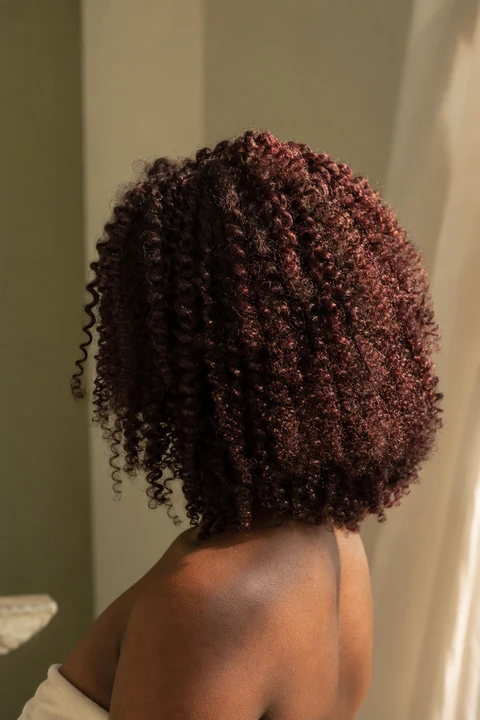
The more mechanical version of the advice: the higher the rung, the more the shade competes with your face for attention, so the more the temperature match matters. A soft auburn a touch too warm reads as nothing; a vivid copper a touch too warm can cast orange onto the skin next to it. If you have not worked out your undertone, do that first with the best hair color for your skin tone, then come back and pick your rung with that answer in hand. And if you are between two rungs, buy the lower one: it is far cheaper to add saturation at the next visit than to strip it out.
How do you slow the fade?
Every item here is checked against the mechanism it claims to interrupt. Two exit routes take dye out of red hair, dissolution into wash water [1] and photochemical breakdown [2], and one route puts pigment back in. The protocol just manages those three doors.
Wash less, and cooler. Fewer washes is the single most defensible move: wash-water dissolution is the primary fade pathway, and every shampoo takes a toll [1], with the steepest losses in the earliest washes [3]. This is research-backed. The cool-water half of the advice is weaker: dyes are generally more soluble in hotter water, so cooler rinses plausibly slow the leak, but the popular claim that cold water “seals the cuticle shut” overstates what a rinse can do, and no rigorous trial isolates temperature on real heads. Treat cool washing as cheap and sensible: mixed evidence. Skip the scalding shower either way.
Use a gentle, color-safe shampoo. Since surfactants do the extracting, milder and lower-sulfate formulas extract less; the same research line shows conditioning polymers deposited on the fiber measurably reduce dye loss in the wash [1]. No shampoo stops fading. The good ones lose the race more slowly.
Add a red-pigmented conditioner weekly. This is the one item that reverses fade rather than slowing it: color-depositing conditioners carry direct dyes that stain the outer fiber, topping up exactly the warm tone that washes out first. The mechanism is deposit, not repair, and the effect rinses away over a week or two, which is precisely why it works as a routine. Match it to your rung (copper for rungs 3 and 4, red-brown for auburn and cherry cola), and use it once or twice a week, not daily, because overdeposit drifts muddy. Cost: $20 to $40 a bottle lasting months, the best fade-per-dollar purchase on this page. A convention in practice, but one sitting on solid deposit chemistry.
Protect it from sun. UV contributed up to 63 percent of measured fade in controlled exposure [2], and red chemistry was the most vulnerable tested. A hat on high-sun days does more than any spray; UV-filter products help modestly, attenuating rather than blocking [2].
Book a gloss between colors. The professional version of the pigmented conditioner: a $45 to $90 demi-permanent gloss at the 3-to-4-week midpoint redeposits tone and shine without lift, letting you stretch full-color appointments while never showing the faded phase [5]. On the bold rungs this mid-cycle gloss is the difference between copper that always looks fresh and copper that looks great one week in six. Whether the service is called a gloss or a glaze changes less than salons imply; the distinction, and when each earns its price, is covered in hair gloss vs glaze.
Turn down the heat styling. Hot tools accelerate both damage and color change; damaged, porous fiber then loses dye faster in every subsequent wash [1][3]. Keep irons at the low end that still sets the style.
How do you ask your colorist for each rung?
Name the rung, the cadence you can keep, and the fade plan. Scripts that do it:
“I want strawberry blonde, but tell me honestly what my base needs to get there and what the tone upkeep is. If it needs heavy lightening, show me the soft auburn version instead.”
“Give me soft auburn: my brown, one or two levels warmer and redder. Deposit only if possible. I want the version that fades back toward my own color.”
“I want that brown-based lived-in copper. Build it so it grows out soft, smudge my root toward my natural depth, and put me on a gloss schedule I can actually keep.”
“Before we go vivid: what is my total for the year, visits times price, including glosses? And what is the exit plan when I am done with it?”
“I am a brunette and I want cherry cola without bleach. Can you do it with high-lift color, and will it help blend the gray I have coming in?”
A colorist who answers with numbers is planning your year. One who answers only with adjectives is selling you the photo, and on red, the photo is the one day the color looks like that.
What does leaving red cost?
The ladder has a toll booth on the way down. Red pigment is famously persistent in the fiber even as its brightness fades, so moving from a bold rung back to blonde or a cool brunette usually cannot be done in one appointment: expect a correction process, and correction is the most expensive line on the salon menu at $300 to $800 [5]. Budget the exit before you climb.
The cheap exits are structural. From soft auburn or cherry cola, you simply stop: the depth is near your natural base, the red rinses quiet over a few months, and regrowth never draws a hard line. From classic or vivid copper, the graceful route is stepping down the ladder rather than off it: a darker, browner gloss over the fading copper turns the grow-out into an intentional auburn, and a root smudge hides the line while your centimeter a month of new growth [8] replaces the colored length. From strawberry blonde, you are managing a blonde grow-out, not a red one. None of this is a reason to skip the bold rungs. It is a reason to enter them the way you would sign a lease: knowing the term and the exit fee.
The bottom line
Copper deserves its 2026 moment, but “going copper” is five different decisions wearing one name. Soft auburn is the best deal on the ladder: most of the warmth, a fraction of the upkeep, and an exit that costs nothing. Classic copper is the trend itself at an honest 6-to-8-week cadence, vivid copper is gorgeous and contractually demanding at 4 to 6, and cherry cola is the quiet overachiever, bold pigment that behaves like a brunette at work. Whichever rung you pick, the chemistry is not optional: red dye leaves hair faster than any other color, so fewer and cooler washes, a pigmented conditioner, sun sense, and a standing gloss appointment are part of the purchase price. Choose the rung whose calendar you can keep, and the color will look intentional every week you wear it.
Frequently asked questions
Does red hair color fade faster than other colors?
Yes, and it is measurable, not folklore. In controlled fading studies, red shades built on pyrazole dye intermediates showed the deepest color loss from both shampooing and light exposure, and wash-out studies show dye physically dissolving out of the fiber with every shampoo. Red is also perceptually unforgiving: when a red fades it shifts visibly toward orange or brass rather than just softening, so the same amount of dye loss looks worse than it would on a brunette.
What is the difference between copper, auburn, and strawberry blonde?
They differ in depth and in how much red saturation sits on the base. Strawberry blonde is a blonde with a warm gold-pink cast, soft auburn is a brown with red woven through it, and copper is a true orange-red worn as the main event. As a rule, the further the shade sits from your natural depth and the purer the red, the more maintenance it demands.
What skin tone suits copper hair?
Most people can wear some rung of the ladder; the variable is which copper. Colorist convention pairs golden and peach undertones with warm, golden coppers and strawberry tones, while cooler or deeper complexions are usually steered toward brown-based neutral coppers or blue-red shades like cherry cola. Trend coverage in 2026 makes the same split: ethereal, golden coppers on paler skin, brunette-edged coppers on tan and deeper skin.
What is cowgirl copper?
Cowgirl copper (also written cowboy copper) is the brown-based, lived-in version of copper that trend forecasters carried into 2026. Because its base undertone is more neutral than a traditional orange-gold copper, it reads softer, suits a wider range of skin tones, and shows a gentler line as it grows out. It is the rung most colorists suggest for a first serious copper.
What is cherry cola hair?
Cherry cola is a deep burgundy-brunette: dark enough to read brown indoors, with a red flash that shows in daylight. Salon versions are often done with high-lift permanent color rather than bleach, which makes it one of the least damaging ways for a brunette to wear red, and colorists also use it to blend scattered grays into a dimensional finish.
How often do you need to touch up copper hair?
Classic copper realistically needs the salon every 6 to 8 weeks, and vivid copper closer to 4 to 6, because red pigment leaves the hair faster than any other color family. Many people alternate a full color appointment with a cheaper gloss visit in between, which keeps the tone alive without paying for a full service each time. Softer rungs like soft auburn on a brown base stretch longer because the fade lands closer to your natural color.
Can you get red hair without bleach?
Often, yes. If your natural hair is light to medium brown, soft auburn, classic copper, and cherry cola are usually reachable with permanent or high-lift color alone, because red targets are darker than blonde targets and need less lift. Strawberry blonde is the exception: on anything darker than a light brown base it needs real lightening first, which is where the damage and the cost climb.
How do you keep red hair from fading?
Wash less often and cooler, use a gentle color-safe shampoo, add a red-pigmented conditioner once or twice a week, protect hair from direct sun, and book a gloss every 4 to 8 weeks between full color appointments. The chemistry behind this is simple: dye leaves the fiber mainly by dissolving into wash water and by light exposure, so fewer washes, milder surfactants, and UV protection each remove one exit route, while the pigmented conditioner and gloss redeposit what still escapes.
- Zhou Y, Foltis L, Moore DJ, Rigoletto R. Protection of oxidative hair color fading from shampoo washing by hydrophobically modified cationic polymers. J Cosmet Sci. 2009;60(2):217-238.
- Locke B, Jachowicz J. Fading of artificial hair color and its prevention by photofilters. J Cosmet Sci. 2005;56(6):407-425.
- Hetherington K, Tidder A, Tack BJ, et al. Method to analyse and quantify the propensity of hair dyes to desorb from human hair fibre. Heliyon. 2025;11(12):e43528.
- Morel OJX, Christie RM. Current trends in the chemistry of permanent hair dyeing. Chem Rev. 2011;111(4):2537-2561.
- SalonsRated. Salon Prices 2026: Every Service in One Reference Table. 2026.
- Rostamian M. Cowboy Copper, Short Bobs & Sculptural Updos: The 6 Biggest Hair Trends of 2026. W Magazine. 2025.
- Kilikita J. Summer Hair Color Trends: Ethereal Copper, Cherry Cola. Refinery29. 2026.
- LeBeau MA, Montgomery MA, Brewer JD. The role of variations in growth rate and sample collection on interpreting results of segmental analyses of hair. Forensic Sci Int. 2011;210(1-3):110-116.